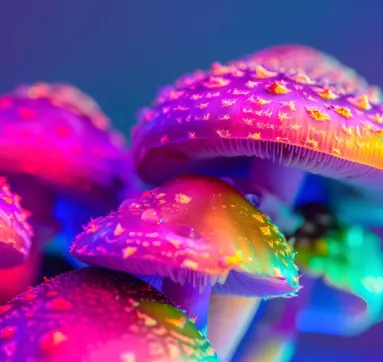










Magic mushrooms are becoming one of the most discussed topics in neuroscience, mental health research, and psychedelic therapy across North America. Researchers in the United States and Canada continue studying psilocybin, the active compound found in psychedelic mushrooms, for its effects on depression, anxiety, PTSD, trauma, neuroplasticity, emotional healing, addiction, and cognitive flexibility.
What was once considered underground science is now being explored by respected institutions including Johns Hopkins Medicine, University of British Columbia, CAMH, University Health Network, and other major research organizations.
As public awareness grows, more people are asking questions online about mushroom effects, microdosing, psychedelic therapy, and how psilocybin may affect the brain.
What Are Magic Mushrooms?
Magic mushrooms are naturally occurring fungi containing psilocybin and psilocin. Once consumed, psilocybin interacts with serotonin receptors connected to mood, perception, cognition, emotional processing, and consciousness.
Popular mushroom strains include:
- Golden Teachers
- Penis Envy
- Blue Meanies
- Albino strains
- Amazonian mushrooms
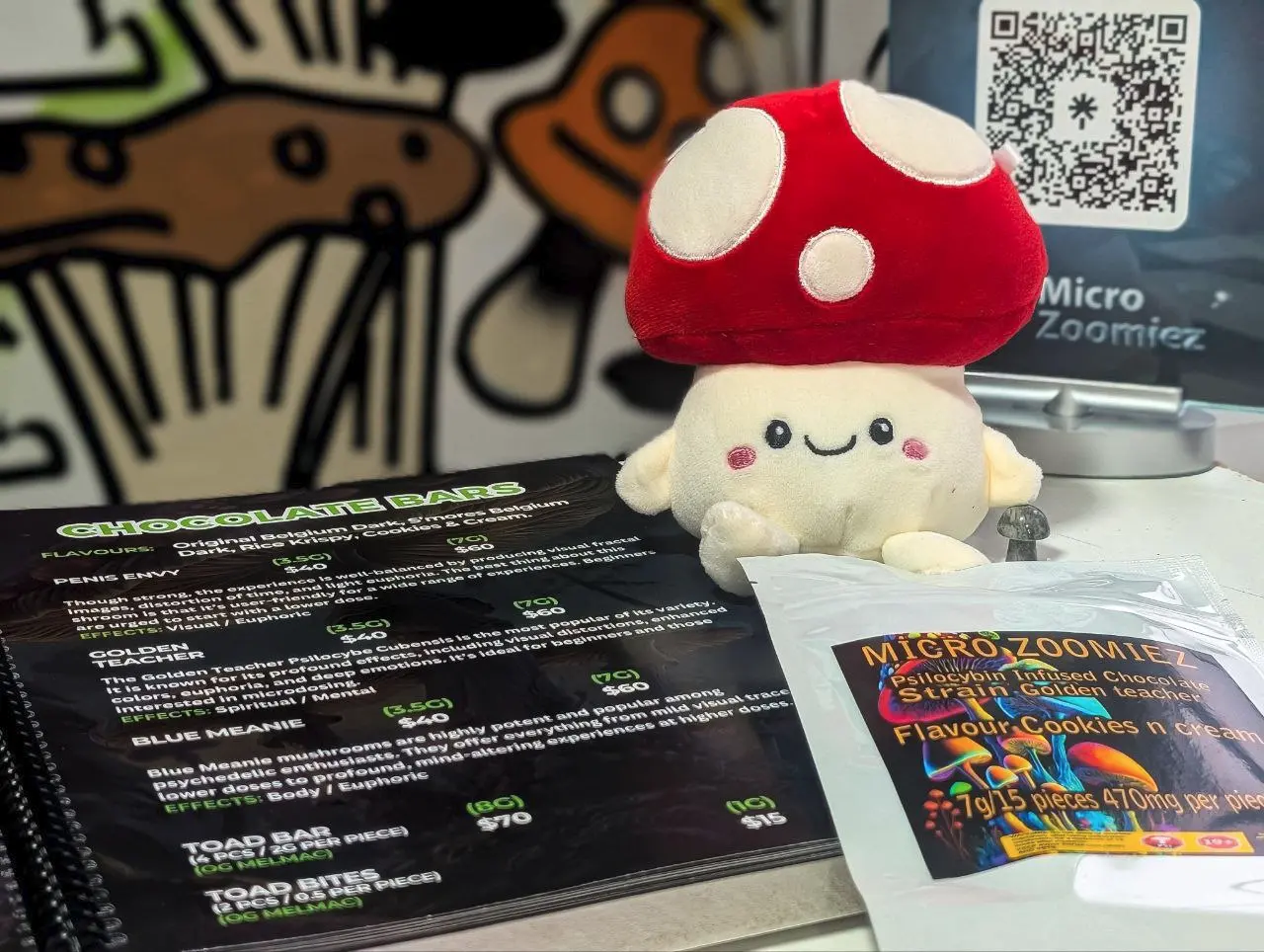
- Psilocybe cubensis
People explore psychedelic mushrooms for many different reasons, including:
- Emotional reflection
- Creativity
- Mood support
- Microdosing
- Personal growth
- Spiritual exploration
- Stress reduction
- Cognitive flexibility
What Do Magic Mushrooms Feel Like?
The psychedelic experience varies depending on dosage, environment, tolerance, and mindset.
Common reported effects include:
- Enhanced visuals and colors
- Altered perception of time
- Increased introspection
- Emotional sensitivity
- Stronger connection to music
- Deep thinking patterns
- Spiritual experiences
- Emotional breakthroughs
- Greater appreciation for life
- Feelings of connectedness
Some users describe the experience as mentally clarifying or emotionally resetting. Researchers studying psychedelic therapy believe these experiences may relate to temporary changes in brain connectivity and emotional processing.
Research from Johns Hopkins Medicine continues exploring how psilocybin affects mood, cognition, and emotional flexibility:
https://www.hopkinsmedicine.org/psychiatry/research/psychedelics-research
How Psilocybin Affects the Brain
One of the biggest discussions in psychedelic science involves neuroplasticity.
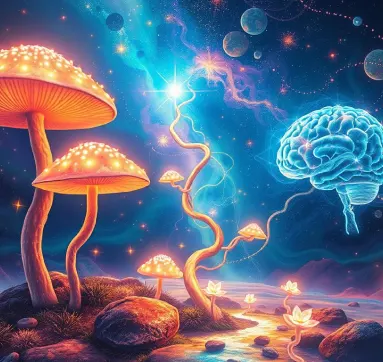
Neuroplasticity refers to the brain’s ability to reorganize, adapt, and create new neural pathways. Researchers studying psilocybin observed changes in communication between different brain regions, including areas associated with mood, memory, emotional regulation, and self-reflection.
Researchers continue exploring how psilocybin may influence:
- Brain connectivity
- Emotional flexibility
- Cognitive patterns
- Mood regulation
- Trauma processing
- Neural communication
- Self-awareness
Some participants involved in clinical research reported improvements in emotional resilience, perspective, and mental flexibility following supervised psychedelic-assisted therapy sessions.
Johns Hopkins researchers continue studying these brain-related effects through ongoing psychedelic neuroscience programs:
https://www.hopkinspsychedelic.org/
Why Researchers Are Studying Psilocybin
Mental health disorders continue increasing globally, leading researchers to investigate alternative approaches beyond traditional treatments.
Psilocybin research has expanded rapidly because studies reported promising findings involving:
- Depression
- Anxiety
- PTSD
- Addiction
- Emotional distress
- End-of-life anxiety
- Trauma processing
Researchers are especially interested in how psychedelic therapy may affect emotional processing and repetitive negative thinking patterns.
Johns Hopkins Research on Psilocybin and Depression
Johns Hopkins Medicine continues leading psychedelic research in North America. Researchers there published studies exploring how psilocybin-assisted therapy may help reduce symptoms related to depression, emotional distress, and anxiety disorders.
According to Johns Hopkins researchers, some participants reported long-term emotional improvements and changes in cognitive flexibility after supervised psilocybin sessions.
Research from the institution continues exploring:
- Major depressive disorder
- Anxiety disorders
- Alcohol dependency
- Emotional trauma
- Brain activity changes
- Mood disorders
Additional information about their psychedelic research center can be found here:
https://hub.jhu.edu/2019/09/04/hopkins-launches-psychedelic-center/
British Columbia and Vancouver Psychedelic Studies
Researchers in British Columbia are also expanding psychedelic studies. The University of British Columbia and BC Centre on Substance Use have explored microdosing, addiction treatment research, and therapeutic psychedelic access.
Several Canadian studies reported temporary improvements in mood, creativity, and emotional functioning among participants involved in psychedelic-related research.
British Columbia has become one of the most active regions in Canada discussing psychedelic-assisted therapy, mental wellness innovation, and microdosing research.
UBC psychedelic and therapeutic access research:
https://news.ok.ubc.ca/2024/09/10/ubco-study-explores-access-to-psychedelics-for-therapeutic-use/
BC Centre on Substance Use psychedelic addiction research:
Ontario Psilocybin Research and Mental Health Studies
Ontario-based institutions including CAMH and University Health Network continue researching psilocybin and psychedelic-assisted therapy for depression, trauma, anxiety, and emotional distress.
Researchers are studying how psychedelics may affect neuroplasticity, emotional processing, and long-term mental health outcomes.
Current Ontario research areas include:
- Depression
- PTSD
- Anxiety disorders
- Trauma therapy
- Addiction studies
- Emotional resilience
- Cognitive flexibility
CAMH psychedelic research overview:
University Health Network psychedelic psychotherapy research:
https://www.uhn.ca/MentalHealth/Research/Psychedelic-Psychotherapy-Research/Pages/who-we-are.aspx
Can Magic Mushrooms Help Depression?
Depression remains one of the largest areas of psychedelic research globally.
Some clinical studies reported that participants experienced:
- Improved mood
- Reduced depressive symptoms
- Better emotional processing
- Increased optimism
- Greater life satisfaction
- Less emotional numbness
Researchers continue investigating how psilocybin-assisted therapy may interrupt repetitive negative thought patterns associated with depression.
A Johns Hopkins follow-up study discussing long-term depression outcomes:
https://hub.jhu.edu/2022/02/16/psilocybin-relieves-depression-for-up-to-a-year/
Anxiety and Emotional Distress Research
Psilocybin has also been studied for anxiety and emotional distress, especially among patients facing severe illness or trauma.
Some participants involved in psychedelic-assisted therapy research reported:
- Reduced fear
- Greater emotional peace
- Improved relationships
- Increased appreciation for life
- Emotional release
- Stronger personal reflection
Researchers believe psychedelic experiences may temporarily increase emotional openness and cognitive flexibility.
Published clinical research discussing anxiety and emotional distress outcomes:
https://pubmed.ncbi.nlm.nih.gov/27909165/
PTSD and Trauma Research
Researchers continue studying psychedelics for trauma-related disorders and PTSD.
Early research suggests psychedelic-assisted therapy may help individuals process traumatic experiences differently by temporarily increasing emotional flexibility and reducing rigid fear-based thought patterns.
Scientists continue investigating how psychedelics may affect trauma processing, emotional memory, and long-term psychological healing.
What Is Microdosing?
Microdosing refers to consuming very small amounts of psilocybin below the level of a full psychedelic experience.
People who microdose often report:
- Better focus
- Increased productivity
- Improved mood
- Reduced stress
- Enhanced creativity
- Better emotional balance
Research involving microdosing continues expanding across Canada and the United States.
Canadian microdosing and psychedelic therapy information:
https://fieldtriphealth.ca/psilocybin-therapy-canada/
Are Magic Mushrooms Addictive?
Current research suggests psilocybin is not considered physically addictive like opioids, nicotine, or alcohol.
Researchers are also investigating whether psychedelic-assisted therapy may help reduce addictive behaviors and compulsive patterns in certain therapeutic settings.
Why Psychedelics Are Becoming Popular Again
Interest in psychedelic science has expanded rapidly because many researchers believe these compounds may offer a different approach to mental health, emotional processing, and cognitive flexibility.
Researchers continue studying:
- Neuroplasticity
- Brain connectivity
- Emotional healing
- Trauma therapy
- Consciousness
- Creativity
- Mood disorders
- Addiction recovery
Major universities and medical institutions continue publishing new psychedelic research every year.
https://medium.com/@softensoftwares/is-microdosing-changing-you-or-just-revealing-you-d7b988992a7c
Important Safety Discussions
Researchers consistently emphasize responsible education and controlled therapeutic environments.
Psychedelic experiences are powerful psychological experiences and are not appropriate for everyone. Most clinical studies involving psilocybin are conducted under medical supervision with psychological support and screening protocols.
Researchers also warn that individuals with certain psychiatric conditions or psychological risk factors may experience adverse effects.
CAMH psychedelic FAQ and mental health information:
https://www.camh.ca/en/camh-news-and-stories/psychedelics-faqs
Common Questions People Ask Online
How long do magic mushrooms last?
Most psychedelic mushroom experiences last between 4 and 8 hours depending on dosage, metabolism, and tolerance.
How long until mushrooms kick in?
Many people begin noticing effects within 20 to 60 minutes after consumption.
Can mushrooms increase creativity?
Many users report increased creativity, flexible thinking, and enhanced introspection during psychedelic experiences.
Why are researchers interested in psilocybin?
Researchers continue studying psilocybin because early findings involving depression, anxiety, trauma, emotional processing, and neuroplasticity attracted major scientific interest.
Why do people describe psychedelic experiences as life-changing?
Some participants involved in psychedelic-assisted therapy describe experiences involving emotional breakthroughs, personal reflection, and changes in perspective.
Explore Magic Mushroom Delivery Across Canada
As psychedelic awareness grows across Canada, more adults are exploring premium mushroom products, microdosing options, and fast local delivery services.
MicroZoomiez continues expanding across major Canadian cities with streamlined ordering, express support, and local delivery coverage.
Ottawa Delivery
https://microzoomiez.ca/magic-mushroom-fast-delivery-ottawa-main
Toronto & GTA Delivery
https://microzoomiez.ca/magic-mushroom-fast-delivery-toronto-main
Quebec Delivery
https://microzoomiez.ca/magic-mushroom-fast-delivery-quebec-main
Main Website
Latest Offers
https://microzoomiez.ca/offers
Local Mushroom News & Education
https://microzoomiez.ca/blogs-list
Conclusion
Magic mushrooms and psilocybin are now at the center of some of the most important discussions in neuroscience and mental health research. Major universities and medical institutions across the United States and Canada continue studying how psychedelic compounds may influence depression, anxiety, trauma, emotional healing, neuroplasticity, and cognitive flexibility.
As awareness continues growing, more Canadians are exploring psychedelic education, microdosing, wellness products, and psychedelic research than ever before.
For fast delivery, premium mushroom products, local service coverage, and one of Canada’s expanding psychedelic delivery platforms, MicroZoomiez continues serving customers across multiple Canadian regions with growing access to mushroom products, education, and local psychedelic news.
Shop From Wide RangeRead this perspective on how psychedelic research connects to clarity, healing, and transformation. Psilocybin Magic Mushrooms Canada: Mental Clarity & Transformation.
Comments
Leave a Comment
Your email address will not be published. Required fields are marked *